Arrival day
The first day is mostly arrival. You reach the place, meet the people running the stay, and learn where to sleep, eat, and gather. Expect a slower pace than the journey that got you there. Someone usually shows the paths, the water, and the times that matter that evening.
You may sit for a short welcome and say why you came, in as few words as you want. Luggage can wait. If the road was long, rest before anything else is scheduled. Write down the name of the person to find if you get lost on the grounds.
If you are still deciding whether a place fits, use the choosing guide before you travel. This page assumes you already have dates.
How to choose a retreatA ceremony night
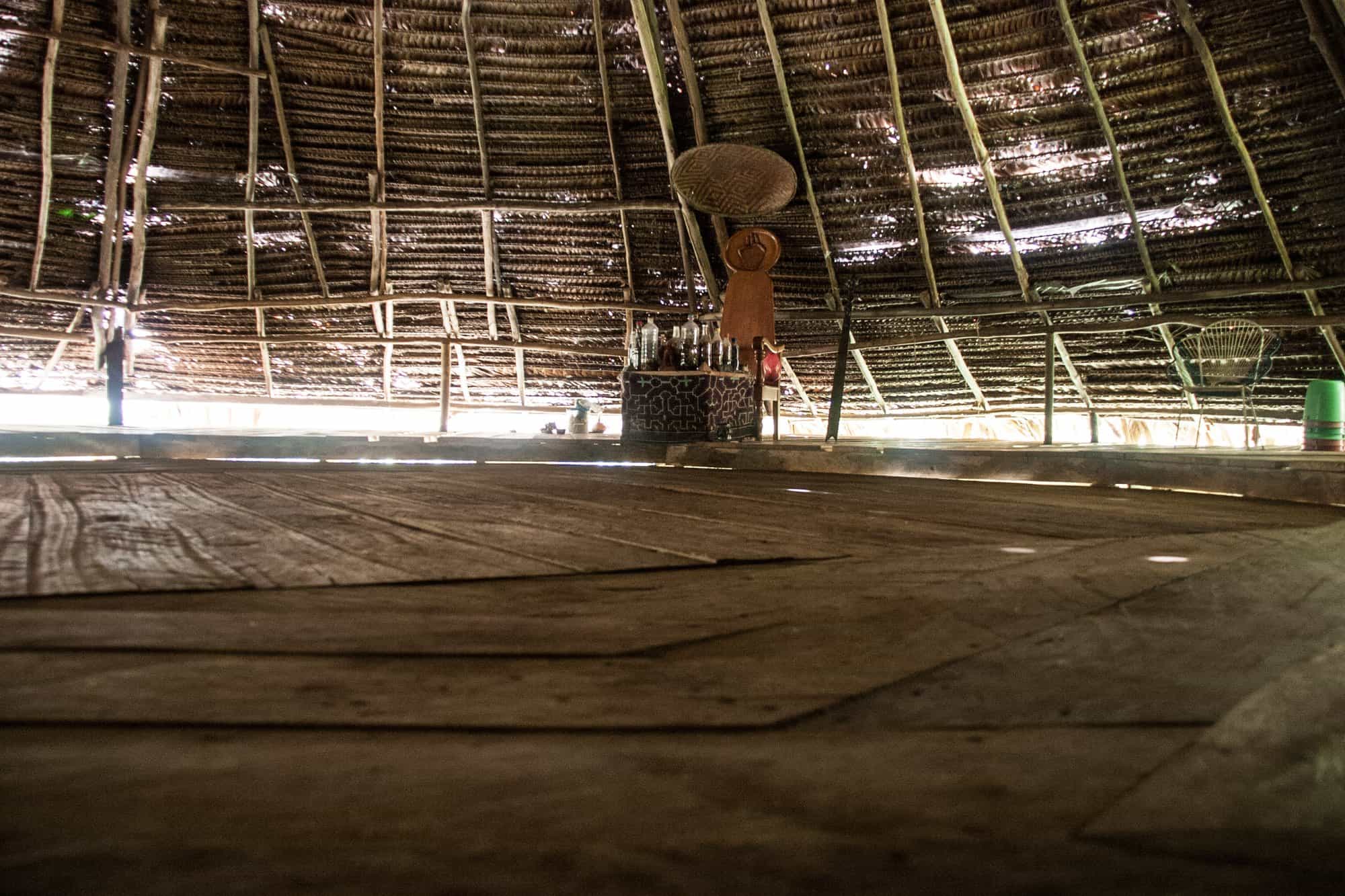
A ceremony night runs later than the other days. People gather, the room is dim, and the facilitators explain how the night will go: when you may drink, when to stay on your mat, and how to ask for help. Music or quiet may last for hours. You do not have to talk.
The night ends when the facilitators say it ends, not when you feel finished. Afterward there is usually water, a simple place to lie down, and someone awake nearby. Sleep can come late. The next morning is not a work morning.
If you feel unwell
Tell the people running the stay. They should already have told you how care works on site. Do not wait it out alone because the room is quiet.
This is not medical advice. Follow the care plan the operator gave you in writing. This page does not replace it. In a medical or mental-health emergency, contact local emergency services. Inward Stay does not diagnose conditions or provide clinical care.
A rest day
Rest days sit between ceremony nights. They are ordinary on purpose: walking, washing, sitting, and a longer meal. Some places offer an optional talk or a quiet work period in the garden. You can decline what is marked optional.
Use the day to sleep, drink water, and stay on the grounds unless staff say a walk is fine. You do not need to explain the previous night to anyone. A notebook is enough if you want to keep a few lines for later.
Meals
Meals are at set times and usually simple. You eat what the kitchen is serving unless you arranged something else before you arrived. Show up when the bell or the board says so. Missing a meal often means waiting until the next one.
Tell the kitchen, before you travel, about foods you cannot eat. The operator’s own instructions say what to change in the weeks before you come. Those details live in the preparation guide, not here.
Preparation guidePhones or silence
Some places ask for silence in shared rooms, at meals, or for the whole stay. Some ask you to leave phones in a basket, or to use them only at a set hour. Follow the request they wrote down. If you need to reach someone at home for a real reason, ask staff where that is allowed.
Silence means fewer conversations, not a test. You can still signal that you need help. A nod or a raised hand is enough when talking is paused.
Departure
The last morning is packing, a final meal, and the ride out. Confirm the transfer time the night before. Say goodbye without turning it into a long meeting. Keep a little cash or a charged phone for the road if the quote says the ride ends at a town, not at the airport.
The days after you land are a different subject. The integration guide covers the inner work. The first-week piece covers work, family, sleep, and decisions only.
Integration guideThe first week back